


Home — Senior Transportation — Transportation Options for Seniors Who No Longer Drive
Transportation Options for Seniors Who No Longer Drive
Senior Transportation · 6 min read
When a senior stops driving, it changes everything. Suddenly, routine trips to the doctor, pharmacy, or grocery store require planning, coordination, and often uncomfortable conversations about independence.
If you’re researching transportation for seniors on behalf of a parent or loved one—or for yourself—you’re not alone. Millions of families navigate this transition every year, and the good news is there are more options today than ever before.
This guide walks through your choices, from family help and public transit to professional medical transportation services, so you can find the solution that fits your situation, mobility needs, and budget.
Why Transportation Becomes a Challenge for Seniors
The decision to stop driving rarely happens overnight. For most seniors, it’s a gradual process driven by vision changes, slower reaction times, medication side effects, or conditions like arthritis that make operating a vehicle difficult.
But the impact is immediate. Without reliable transportation, medical appointments get missed, social connections fade, and the simple errands that maintain independence—picking up prescriptions, getting groceries, visiting friends—become logistical puzzles.
For family caregivers, the burden often falls on adult children who are already balancing careers and their own families. Taking time off work for every parent’s doctor visit isn’t sustainable, and the guilt of not being available creates its own stress.
Understanding this reality helps frame why finding the right senior transportation services matters—it’s not just about getting from point A to point B. It’s about preserving dignity, maintaining health, and reducing strain on the entire family.
5 Transportation Options for Seniors Who No Longer Drive
Not every senior has the same needs, and not every transportation option works for every situation. Here’s an honest look at what’s available:
1. Family and Friends
The most common starting point. Family members provide rides when schedules align, and many families make this work for years. The challenge: it depends on availability, creates scheduling conflicts, and often leaves seniors feeling like a burden.
2. Public Transit and Paratransit
Many cities offer reduced-fare bus passes and dial-a-ride services for seniors. These programs are affordable but come with limitations—fixed routes, advance booking requirements (often 3-7 days), and shared rides that may not accommodate mobility aids or door-to-door assistance.
3. Rideshare Services (Uber, Lyft)
Convenient for tech-savvy seniors who are fully mobile. However, standard rideshare doesn’t provide assistance getting in and out of vehicles, isn’t designed for wheelchair users, and drivers vary widely in professionalism and familiarity with medical facilities.
4. Volunteer Driver Programs
Nonprofit organizations and churches often coordinate volunteer transportation. These programs fill an important gap but typically have limited availability, may require membership, and can’t guarantee the same reliability as paid services.
5. Private Non-Emergency Medical Transportation (NEMT)
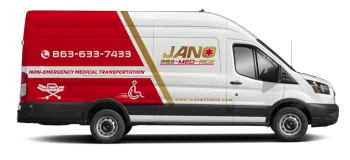
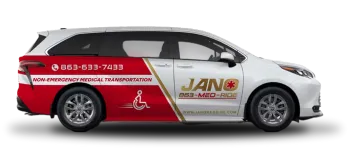
Professional medical transportation services designed specifically for healthcare appointments. Private NEMT offers trained drivers, door-to-door assistance, vehicles equipped for wheelchairs and stretchers, and flexible scheduling. Unlike government-funded programs, private NEMT provides dedicated vehicles without shared rides or multi-day booking requirements.
Need Reliable Transportation to Medical Appointments?
When routine trips to the doctor matter most, Jano Med-Ride provides professional door-to-door service across South Florida—with same-day availability and no Medicaid delays.
How to Choose the Right Transportation Option
The best transportation solution depends on several factors. Here’s what to consider:
Frequency of Trips
How often does transportation need to happen? Occasional doctor visits might work with family coordination, but recurring appointments—like dialysis three times weekly—require a dependable, scheduled service that won’t fall through.
Mobility Needs
What level of physical assistance is required? Seniors who walk independently can use more options. Those using walkers, wheelchairs, or requiring stretcher transport need specialized vehicles and trained drivers who can provide physical assistance safely.
Reliability Requirements
How critical is on-time arrival? Missing a social outing is frustrating; missing a chemotherapy appointment has real consequences. For medical transportation, reliability isn’t optional—it’s essential.
Cost Considerations
What fits the budget, and what’s the true cost? Free options exist, but they often come with trade-offs in scheduling, shared rides, and wait times. Private NEMT costs more upfront but provides dedicated service, and many private insurance plans offer reimbursement for medically necessary transportation.

4 Signs It's Time for Professional Medical Transportation
Not everyone needs private NEMT, but certain situations make professional senior transportation services the right choice:
1. Medical Appointments Are Being Missed
If scheduling conflicts, unreliable rides, or last-minute cancellations are causing missed appointments, it’s time for a dedicated solution. Missed medical care has compounding health consequences.
2. Mobility Has Changed
When a senior transitions to using a wheelchair, walker, or requires help getting in and out of vehicles, standard transportation options no longer work safely. Ambulatory transport with trained drivers becomes necessary.
3. Family Caregivers Are Burned Out
If adult children are taking excessive time off work, straining relationships, or experiencing caregiver fatigue from managing transportation logistics, professional help provides relief for the entire family.
4. Recurring Treatments Require Consistent Scheduling
Dialysis, radiation therapy, physical therapy—any treatment requiring multiple weekly visits needs reliable scheduling that doesn’t depend on volunteer availability or family calendars.
Frequently Asked Questions About Senior Transportation
Here are answers to common questions families ask when exploring transportation options for seniors.
What is the difference between NEMT and regular rideshare?
Non-emergency medical transportation (NEMT) provides trained drivers, door-to-door physical assistance, vehicles equipped for wheelchairs and stretchers, and coordination with medical facilities. Standard rideshare offers transportation only—no assistance getting in or out, no specialized equipment, and drivers who may not be familiar with healthcare facility protocols.
Does Medicare or Medicaid cover senior transportation?
Medicaid covers NEMT for eligible beneficiaries, though these services often require advance booking and shared rides. Original Medicare does not cover routine medical transportation, but some Medicare Advantage plans include transportation benefits. Private insurance may reimburse NEMT when medically necessary—check with your specific plan.
How do I know if my parent needs wheelchair transportation?
If your parent uses a wheelchair as their primary mobility device and cannot easily transfer to a standard car seat, wheelchair transportation is appropriate. These services use vehicles with wheelchair lifts and professional securement systems so passengers never need to leave their wheelchair during transport.
Can someone accompany my parent during medical transport?
Most private NEMT services allow a companion to ride along at no additional charge. This is especially helpful for seniors with cognitive decline, those who feel anxious about medical appointments, or family members who want to attend consultations with doctors.
What areas does Jano Med-Ride serve?
Jano Med-Ride provides private-pay NEMT services throughout Broward, Palm Beach, Miami-Dade, Monroe, Martin, and St. Lucie Counties. We also offer long-distance medical transportation throughout Florida and beyond. View our complete service area for details.
Ready to Explore Your Transportation Options?
Finding reliable transportation for a senior loved one shouldn’t add to your stress. Whether you need wheelchair transport, ambulatory assistance, or stretcher services, our team is here to help you find the right solution for your family.
- Available 24|7|365
- Same-Day Service
- Direct Booking
- No Medicaid