

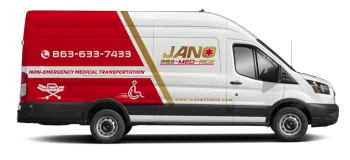
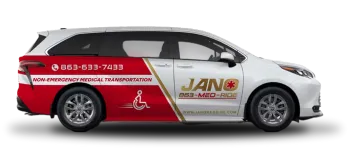
Stretcher Transportation: Safe Transport for Non-Ambulatory Patients
Senior Transportation · 6 min read
When a loved one can’t sit upright for transport—whether due to recent surgery, a chronic condition, or temporary injury—getting them to medical appointments becomes a significant challenge. Stretcher transport (also called gurney transport) provides a safe, dignified solution for non-ambulatory patients who need to remain lying down during their journey.
Unlike wheelchair transportation or rideshare options, stretcher transportation services use specialized vehicles equipped with medical-grade stretchers, hydraulic lifts, and trained staff who understand how to safely handle patients with mobility limitations. For families coordinating care for aging parents, post-surgical patients, or anyone who cannot transfer into a seated position, professional gurney transport offers the peace of mind that comes with knowing your loved one is in capable, compassionate hands.
This guide covers when stretcher transport is necessary, what to expect from professional service, and how it compares to other medical transportation options available in South Florida.
What Is Stretcher Transport and Who Needs It?
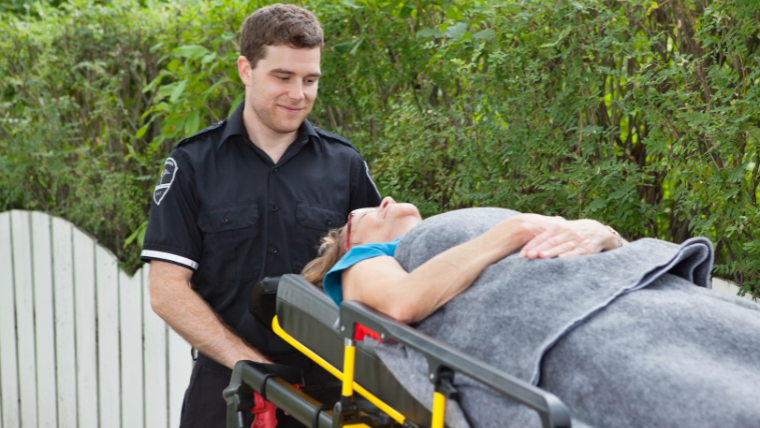
Stretcher transport—sometimes called gurney transportation or non-ambulatory transport—is a specialized form of non-emergency medical transportation designed for patients who cannot sit upright during travel. These patients are transported on a wheeled medical stretcher that remains securely fastened inside a specially equipped vehicle.
Several situations require stretcher transport rather than standard wheelchair transportation. Patients recovering from major back or spinal surgery often need to remain horizontal for days or weeks after their procedure. Those with severe pressure ulcers or wounds may not be able to tolerate sitting for any length of time. Bedridden patients being transferred between facilities—from hospital to rehabilitation center, or nursing home to specialist appointment—frequently require stretcher service.
The key distinction is simple: if your loved one cannot safely sit in a wheelchair or vehicle seat for the duration of the trip, they need gurney transport. This isn’t about comfort preference—it’s about medical necessity. Attempting to transport a patient who needs to lie down in a seated position can cause pain, worsen existing conditions, or create safety risks during the journey.
Professional stretcher transportation services bridge the gap between ambulance transport (reserved for medical emergencies) and standard medical transportation. They provide the specialized equipment and trained personnel needed for safe non-ambulatory transport without the high costs and emergency protocols of ambulance services.
5 Signs Your Loved One Needs Stretcher Transportation
Deciding between wheelchair and stretcher transport isn’t always straightforward. Here are five clear indicators that your loved one needs stretcher transportation services rather than seated transport options.
1. Cannot Sit Upright for Extended Periods
If your loved one’s medical condition prevents them from maintaining a seated position for 30 minutes or more, stretcher transport is necessary. This includes patients with severe back pain, recent spinal procedures, or conditions affecting their ability to sit without significant discomfort or risk.
2. Recently Discharged After Major Surgery
Post-surgical patients often have temporary restrictions that prevent sitting. Hip replacements, spinal fusions, abdominal surgeries, and other major procedures frequently require patients to remain horizontal during their initial recovery period, including during transport home from the hospital.
3. Requires Lying Position During Transport
Some medical conditions require patients to remain lying down regardless of trip duration. Patients with pressure ulcers on seated areas, those on continuous oxygen requiring specific positioning, or individuals with respiratory conditions that worsen when seated all benefit from gurney transport.
4. Unable to Transfer Into Wheelchair Safely
When transferring from bed to wheelchair presents a safety risk—either due to patient weight, fragility, or mobility limitations—stretcher transport eliminates the need for this difficult transfer. Professional stretcher services handle bed-to-stretcher transfers using proper lifting techniques and equipment.
5. Medical Equipment Requires Horizontal Position
Certain medical equipment functions best or only when the patient is lying down. Patients with specific IV configurations, monitoring equipment, or drainage systems may need to remain horizontal during transport to maintain proper function and safety.
Need Stretcher Transport in South Florida?
If your loved one requires safe, dignified stretcher transportation, Jano Med-Ride provides professional gurney transport throughout Broward and Palm Beach Counties. Our trained team specializes in non-ambulatory patient care with compassion and expertise.
What to Expect From Professional Stretcher Transport
When you book professional stretcher transportation services, the experience should include several key elements that prioritize patient safety and dignity throughout the journey.
 Door-to-Door Assistance
Professional gurney transport isn’t curb-to-curb—it’s complete care from pickup location to destination entrance. Staff should enter your home or facility, manage the stretcher transfer, and assist at the destination until your loved one is safely handed off to receiving personnel.
Trained Patient Handling
Reputable stretcher service providers employ staff trained in proper lifting and transfer techniques. This includes using appropriate equipment, coordinating movements, and understanding how to minimize discomfort during transfers. For more comprehensive care, bed-to-bed transportation services handle the entire transfer process from origin bed to destination bed.
Secure Stretcher Fastening
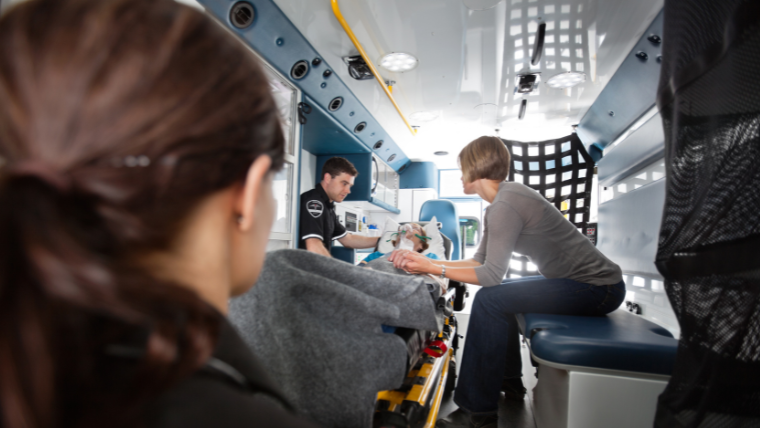
Professional stretcher transport vehicles feature medical-grade mounting systems that keep the gurney securely in place during transport. Quality providers use hydraulic lifts or ramps for safe loading, eliminating the jarring movements that can cause patient discomfort or injury.
Compassionate Care Throughout
Beyond technical competence, professional stretcher transport should treat patients with dignity during one of their most vulnerable moments. This means respectful communication, gentle handling, and attention to patient comfort throughout the entire journey.
Stretcher Transport vs. Ambulance: What's the Difference?
Families often wonder whether they should call an ambulance or book stretcher transport for a loved one who needs to lie down during medical trips. Understanding the difference helps you choose the right NEMT services for your situation.
1. Non-Emergency vs. EmergencyThe most important distinction is medical urgency. Ambulances are designed for emergency situations where patients need immediate medical intervention during transport. Stretcher transport is for non-emergency trips—scheduled appointments, hospital discharges, and facility transfers where the patient is medically stable.
2. Cost EfficiencyAmbulance transport is significantly more expensive than non-emergency stretcher services. When a patient’s condition doesn’t require emergency medical care during transport, professional gurney transport provides the same safe horizontal transport at a fraction of the cost.
3. Comfort FocusStretcher transport vehicles are designed for patient comfort on longer journeys. While ambulances prioritize rapid transport and emergency equipment access, stretcher transport focuses on smooth rides, climate control, and passenger comfort for scheduled medical trips.
4. Scheduling FlexibilityUnlike ambulances that operate on emergency dispatch protocols, stretcher transport services offer flexible scheduling. You can book same-day service, schedule recurring appointments, and coordinate pickup times with facility discharge timing—all without waiting for emergency dispatch availability.
Frequently Asked Questions About Stretcher Transportation
Here are answers to common questions families ask when exploring stretcher transportation options.
Is stretcher transport safe for elderly patients?
Yes. Professional stretcher transport uses medical-grade equipment and trained staff who specialize in safe patient handling. Stretchers are securely fastened during transport, and drivers are trained to provide smooth, comfortable rides that minimize jarring movements. For elderly patients, this specialized care is often safer than attempting wheelchair transport when lying down is medically appropriate.
Can a family member ride along during stretcher transport?
In most cases, yes. Many stretcher transport providers, including Jano Med-Ride, accommodate a family member or caregiver who wants to accompany the patient during transport. This provides comfort for the patient and peace of mind for families who want to stay close during medical trips.
How much does stretcher transport cost?
Stretcher transport costs significantly less than ambulance services for non-emergency medical transportation. Exact pricing depends on factors including distance, time of day, and specific patient needs. Most providers offer free quotes based on your specific situation, allowing you to understand costs before booking.
What's the difference between stretcher and gurney transport?
There is no difference—”stretcher” and “gurney” are interchangeable terms referring to the same wheeled medical bed used for patient transport. Both terms describe non-ambulatory transport for patients who must remain lying down during their journey. Some providers use one term, some use the other, but the service is identical.
Do you provide stretcher transport for hospital discharges?
Yes. Hospital discharge transport is one of the most common stretcher services. Professional providers coordinate with hospital discharge planners to ensure smooth, timely pickup when patients are ready to leave. This includes managing the timing uncertainties that come with hospital discharge processes and ensuring staff are ready when the patient is cleared to go.
Safe, Dignified Stretcher Transport for Your Loved One
When someone you care about needs stretcher transportation, you need a team that treats them with the same compassion you would. Jano Med-Ride provides professional gurney transport throughout Broward and Palm Beach Counties with PASS-certified chauffeurs and medical-grade equipment.
Our private-pay service means immediate scheduling without Medicaid approval delays. Same-day appointments available. Contact us today for a free quote.
- Available 24|7|365
- Same-Day Service
- Direct Booking
- No Medicaid
