


South Florida's Most-Trusted NEMT Provider

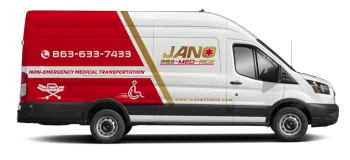
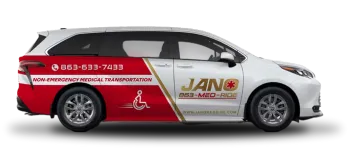
Private pay wheelchair accessible NEMT van serving Broward County

Non-Emergency Ambulance vs. Medical Transport: When Families Need Which

Medical Facility Transportation · 7 min read

Someone in the family needs a ride to a medical appointment, a hospital discharge, or a procedure. They can’t just hop in the car — maybe they use a wheelchair, maybe they need a stretcher, maybe they’re just too fragile for a rideshare. So you Google “non-emergency ambulance,” because that’s the word you know.

First, the important part: if this is a life-threatening emergency — chest pain, stroke symptoms, severe injury, someone unresponsive or struggling to breathe — stop reading and call 911. Non-emergency transport is never a substitute for an ambulance in a real emergency.

For everything else, this post walks through the three service tiers families run into — 911 ambulance, non-emergency ambulance, and NEMT — and helps you pick the one that actually fits your situation.

When You Type "Non-Emergency Ambulance," What You Usually Need Is Something Else

Senior couple reviewing transportation options on tablet with adult daughter

“Ambulance” is the default word most families reach for when a loved one needs medical transport. It makes sense — it’s the word we all grew up with. But in the real world, most non-emergency transport situations don’t require an actual ambulance, and booking one when you don’t need it is expensive, slow, and often not what your loved one needs anyway.

The confusion usually happens because there are really three different services that all get lumped under the word “ambulance,” and only one of them is what most families actually need. A 911 ambulance is for active emergencies. A non-emergency ambulance is for medically fragile patients who need clinical monitoring during transport. Non-emergency medical transport (NEMT) — what Jano Med-Ride does — is for stable patients who just need safe, appropriate transportation to a scheduled appointment or discharge.

Getting the category right matters. Book the wrong one and you either overpay by a factor of ten, wait longer than you needed to, or — in the worst case — delay care during a real emergency. Below, we’ll walk through what each one is and how to tell which fits.

911 Ambulance, Non-Emergency Ambulance, or NEMT: Three Different Services

Here’s the clean version of a distinction most articles skip. These are three different services, with different licenses, different equipment, different price points, and different appropriate patients.

1. 911 Ambulance (Emergency Response)

This is for an active medical emergency. Paramedics are on board, the vehicle runs lights and sirens, and treatment starts the moment they arrive. You call 911 — you don’t book it in advance. Use this for chest pain, stroke symptoms, severe injuries, trouble breathing, an unresponsive patient, or anything that feels time-critical. If you’re not sure, err on the side of calling 911. That’s what dispatchers are trained to sort out.

2. Non-Emergency Ambulance (BLS or ALS Transfer)

This is the middle category most families don’t know exists. It’s a scheduled ambulance transport for a medically fragile patient who needs clinical monitoring during the ride — a nurse or EMT on board, oxygen managed, IV maintained, cardiac monitor running — but isn’t in acute crisis. The classic example is a hospital-to-hospital transfer of a patient who needs continuous supervision en route. This is not what Jano Med-Ride does. Licensed ambulance services handle these trips, not NEMT providers. If your loved one’s care team says the trip requires medical monitoring, ask them for a referral — hospitals almost always have preferred providers.

3. Non-Emergency Medical Transport (NEMT)

This is what Jano Med-Ride does, and it’s what most families searching for a “non-emergency ambulance” actually need. NEMT is for stable patients who need safe, appropriate transportation to a scheduled medical appointment, dialysis, discharge, or procedure. Wheelchair vans, stretcher-equipped vehicles, and comfortable seated (ambulatory) rides — all booked in advance, all driven by trained staff, none of it emergency response. If your loved one just needs to get there safely and doesn’t need clinical care during the ride, NEMT is the right category.

Still not sure which category fits your situation?

Call us and we’ll help you figure it out — even if the honest answer is that you need a different type of provider.

How to Tell Which Service You Actually Need

Here’s a simple decision tree. Match your situation to one of these four scenarios and you’ll know which service to call.

Symptoms Started Suddenly and Feel Urgent

Call 911. Every time. If someone has chest pain, stroke symptoms, difficulty breathing, severe bleeding, a bad fall, or is unresponsive — that’s an emergency and it’s what 911 exists for. NEMT is never a substitute for an ambulance in a real emergency, and neither is any non-emergency service. When in doubt, dial.

Patient Is Medically Fragile and Needs Monitoring During Transport

You need a licensed non-emergency ambulance service — BLS or ALS transfer. This covers situations like discharging from an ICU, moving between hospitals with continuous oxygen or cardiac monitoring, or any trip where a clinician needs to be on board. Ask the discharging hospital or the physician’s office for a referral. They handle these arrangements regularly and know which local ambulance services are appropriate for the case.

Patient Is Stable but Needs a Wheelchair, Stretcher, or Just Help Getting There Safely

This is NEMT territory, and it’s what Jano Med-Ride is built for. Wheelchair vans, stretcher-equipped vehicles, and seated ambulatory rides — booked in advance, driven by trained staff, no clinical monitoring required. Most families who type “non-emergency ambulance” into Google actually land here once they understand the options.

Trip Is Long-Distance (Over 200 Miles or Out of State)

Coast-to-coast and interstate medical transport is a different specialty, usually handled by national providers with vehicles purpose-built for the distance. For local trips within Broward and Palm Beach — including longer county-to-county runs to specialists or hospitals — a regional NEMT provider like Jano Med-Ride is the right fit.

What Jano Med-Ride Handles in Broward and Palm Beach

Once you know you’re in NEMT territory, the next question is which vehicle type fits your loved one. Jano Med-Ride runs three service tiers across Broward and Palm Beach Counties.

1. Wheelchair Transportation

For patients who use a wheelchair full-time or need one for the trip. Ramp-equipped vans, secured tie-downs to keep the chair stable, and trained drivers who handle transfers and loading safely. Most common for dialysis, physical therapy, and recurring specialist appointments. See wheelchair transportation details.

2. Stretcher Transportation

For non-ambulatory patients who need to travel lying down. Gurney-equipped vehicles, careful loading and unloading with trained staff, and appropriate for bed-to-appointment trips, hospital discharges going home, and transfers between care facilities. More on stretcher transport.

3. Ambulatory Transportation

For patients who can walk with minor assistance and just need a safe, reliable ride to a scheduled medical appointment. Comfortable seated transport with a driver trained in senior and medical patient care — no wheelchair or stretcher required, but a big step up from asking a family member to drive or booking a rideshare. Learn about ambulatory transport.

All three are Private-Pay NEMT — no Medicaid delays, no broker routing, no wondering whether the ride will actually show up. If you’re ready to book and want to know what the trip itself will feel like, here’s what to expect during a non-emergency medical transport ride.

Frequently Asked Questions About Non-Emergency Ambulance and Medical Transport

Here are answers to common questions families ask when they’re trying to figure out whether they need an ambulance, a non-emergency ambulance, or NEMT.

What is a non-emergency ambulance?

A non-emergency ambulance is a scheduled ambulance transport for a medically fragile patient who needs clinical monitoring during the ride — things like oxygen, IV management, or cardiac monitoring — but isn’t in an active emergency. It’s a middle category between calling 911 and booking NEMT. Licensed ambulance services provide these trips, typically for hospital-to-hospital transfers or discharges of medically complex patients. NEMT providers like Jano Med-Ride don’t handle this tier.

Is non-emergency medical transport the same as an ambulance?

No. They’re different services with different licenses, different equipment, different price points, and different appropriate patients. Ambulances — emergency or non-emergency — are staffed by clinicians and equipped for medical care during transport. NEMT vehicles are staffed by trained drivers and equipped for safe transportation, not clinical care. If your loved one needs someone managing their care en route, they need an ambulance. If they just need to get somewhere safely, they need NEMT.

When should I call 911 instead of booking medical transport?

Call 911 anytime the situation feels time-critical or life-threatening. That includes chest pain or pressure, stroke symptoms (face drooping, arm weakness, slurred speech), severe difficulty breathing, uncontrolled bleeding, loss of consciousness, sudden confusion, or serious injury from a fall or accident. When in doubt, call — dispatchers are trained to assess and send the right level of response. NEMT is for scheduled, non-urgent transport only. If you’re thinking about it as a substitute for 911, don’t. For non-urgent trips like a discharge you know is coming, planning ahead for hospital discharge transportation is the safer path.

Does Jano Med-Ride provide long-distance non-emergency ambulance service?

Jano Med-Ride is a regional NEMT provider serving Broward and Palm Beach Counties, not a long-distance ambulance service. For coast-to-coast or interstate transport that requires medical monitoring en route, families should look at national specialty providers with vehicles built for long-haul medical transport. For local and regional trips within South Florida — including longer county-to-county runs to specialists or hospitals — Jano Med-Ride’s wheelchair, stretcher, and ambulatory services cover the need.

Can Jano Med-Ride handle bariatric patients?

Yes, with the right vehicle and equipment matched to the trip. Bariatric patients often need reinforced wheelchairs or heavier-duty stretchers, and matching the vehicle to the patient is what keeps the ride safe and comfortable. Call ahead when you book — share the patient’s weight, mobility level, and any equipment they use, and we’ll confirm the right setup before the trip is scheduled.

Need Transport in Broward or Palm Beach? Let's Figure Out What Fits.

Jano Med-Ride is Private-Pay NEMT for South Florida families who want reliable, on-time medical transportation without Medicaid delays, broker routing, or no-show anxiety. If you’re not sure whether NEMT is the right fit — or which vehicle type your loved one needs — call us and we’ll walk it through with you. And if you want the full picture on how Private-Pay NEMT compares to Medicaid transportation, we’ve written that up too.